Active noise reduction under €60: what you get, and what you don't
Entry-level ANC works — but only on certain noises. Here's which ones, and how to avoid disappointment.

Active Noise Cancellation (ANC) has, in just a few years, gone from €350 headphones to €40 headphones. The technology is real and it works, but it doesn't do the same thing at different price points. If you buy ANC headphones for under €60 expecting the silence of high-end Bose or Sony, you'll be disappointed. If you know what you're buying, you'll be happy.
How it works, in one minute
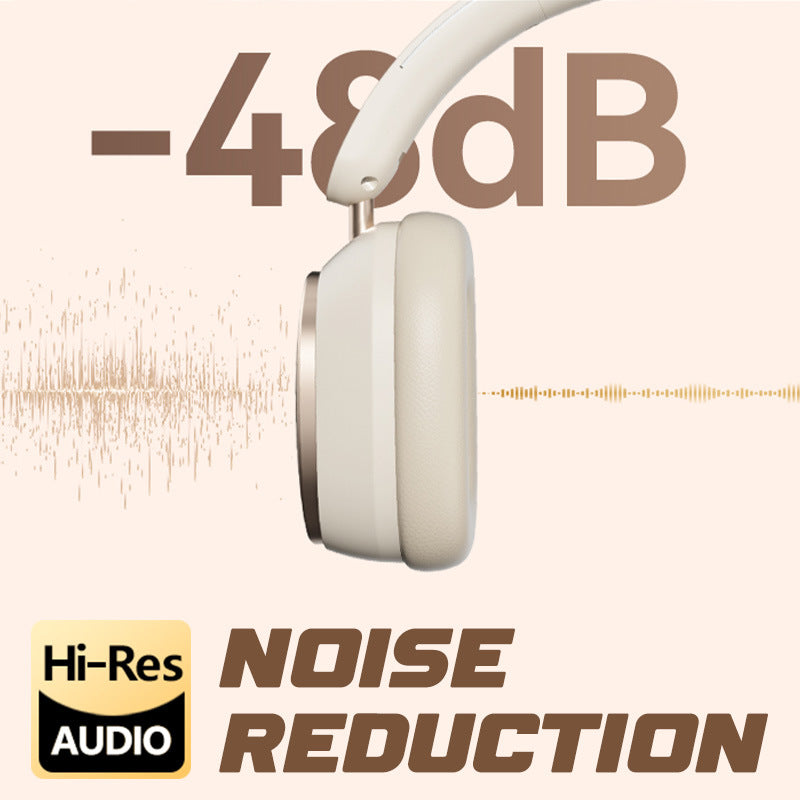
A microphone placed on the outside of the headphones listens to ambient noise. The electronics calculate an inverted sound wave and inject it into the earpiece. The two waves partially cancel each other out. This is physics, not marketing.
But this cancellation only works well if the electronics have time to calculate. The lower (slower) a sound is, the easier it is to cancel. The higher-pitched and more unpredictable it is, the more difficult it is.
What entry-level ANC cancels well
- The hum of a bus, train, or airplane engine
- The ventilation in an office or open-plan workspace
- Rolling noise in transport
- A computer, fridge, or air conditioning unit
For these sounds, the difference is immediate and clear. This is precisely why ANC was originally invented, for pilots.
What it doesn't cancel
- Voices. A conversation next to you will still be audible – attenuated, not suppressed.
- Clattering noises: doors, mechanical keyboards, dishes.
- Children's noises, rings, alarms.
For these sounds, €40 headphones and €350 headphones are much closer than you might think. The real difference in high-end models lies in the depth of bass cancellation, the absence of residual hiss, and the fact that music doesn't change color when you activate ANC.
The other half of the job: passive isolation
Before electronics, there's foam and contact with the head. Circumaural headphones—whose earcups surround the ear instead of resting on it—physically block a good portion of high frequencies, precisely where ANC is weak. This is why the form factor often matters as much as the technical specifications.
What we offer
The M12 Bluetooth Headset (€35.90) is our choice in this niche, for a specific reason: it features both ANC and a detachable boom mic. Noise reduction for listening, directional mic for being heard. It's one headset instead of two – one for commuting, one for calls or gaming.
The Bluetooth 5.4 Sport Headphones (€28.90) don't have ANC, and that's intentional: they're designed for movement, not isolation. Outdoors, hearing your surroundings isn't a flaw.
How to choose in three questions
- Where will you use it? Public transport, train, noisy office → ANC is worth it. At home in peace and quiet → it will bring you almost nothing.
- Will you speak into it? Daily calls, video conferencing, online gaming → look for a boom microphone, not a microphone integrated into the housing.
- How many hours straight? Beyond two hours, weight and pressure on the ears matter more than any specification.
Full selection: Audio.